7 Costly Appraisal Mistakes That Could Tank Your Value
Protect Your Property Investment
Using Inappropriate Comparables Undermines Accuracy
One of the most damaging errors in property valuation involves selecting inappropriate comparable properties. When appraisers rely on homes that differ significantly in size, condition, location, or features, the resulting valuation can be wildly inaccurate. In Dearborn, MI, neighborhoods can vary dramatically from one street to the next, with homes near the Ford Motor Company headquarters commanding different values than those in quieter residential areas.
The comparable selection process requires careful analysis of recent sales within a reasonable geographic area, typically within one mile for suburban properties. However, distance alone does not determine whether a property serves as an appropriate comparison. Factors such as lot size, square footage, number of bedrooms and bathrooms, architectural style, age, and overall condition must align closely with the subject property.
Appraisers who rush through this process or fail to account for seasonal market fluctuations in the Detroit metropolitan area may inadvertently select comparables that skew valuations higher or lower than actual market value. Properties sold during peak spring selling season often fetch higher prices than identical homes sold during winter months when Michigan weather deters buyers. This seasonal variation becomes particularly pronounced in communities like Dearborn, where harsh winters can significantly impact buyer activity.
Failing to Account for Deferred Maintenance Costs
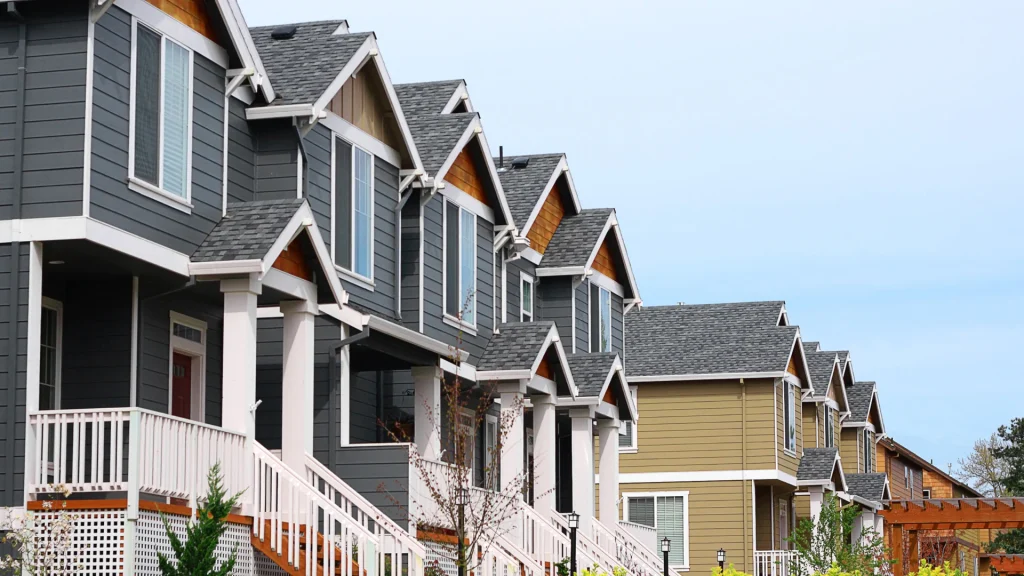
Property condition represents a critical factor in accurate valuation, yet it remains one of the most commonly underestimated elements in appraisals. Deferred maintenance items such as aging roofs, outdated electrical systems, foundation cracks, or water damage can substantially reduce a property’s market value. In older Dearborn neighborhoods, where many homes were built in the 1920s through 1950s, these issues become particularly relevant.
An appraiser who conducts only a cursory inspection may miss significant condition issues that would influence a buyer’s decision. For instance, a basement showing signs of water intrusion requires costly remediation, and Michigan’s freeze-thaw cycles can exacerbate foundation problems over time. These regional climate factors make thorough condition assessments particularly important in southeastern Michigan.
The financial impact of condition issues extends beyond simple repair costs. Buyers typically discount properties with visible defects more heavily than the actual repair expense, factoring in the inconvenience, uncertainty about hidden damage, and potential for discovering additional problems during renovation. An accurate appraisal must reflect both the direct cost of repairs and this market resistance to properties requiring substantial work.

Overestimating Return on Improvement Investments
Property owners frequently assume that renovation costs translate directly into increased home value, but this assumption rarely holds true in actual market conditions. A kitchen remodel costing $30,000 may only add $15,000 to $20,000 in market value, depending on the neighborhood and buyer preferences. This gap between investment and return becomes a critical consideration in accurate property valuation.
In Dearborn, MI, where housing stock varies from modest bungalows to substantial historic homes, the appropriate level of finish and upgrades differs considerably by neighborhood. Installing high-end luxury finishes in a moderate-income area often results in over-improvement, where the property’s value exceeds what typical buyers in that location will pay. Conversely, failing to maintain competitive updates in more affluent neighborhoods can result in significant value loss relative to comparable properties.
Appraisers must evaluate whether improvements align with buyer expectations for the specific market segment. A finished basement adds substantial value in areas where this feature is standard, but may contribute minimal value in neighborhoods where buyers do not prioritize this amenity. Similarly, pool installations can actually decrease marketability in Michigan’s climate, where the short swimming season does not justify the maintenance costs and yard space for many buyers.

Failing to Recognize Shifting Market Dynamics
Real estate markets constantly evolve in response to economic conditions, interest rate changes, employment patterns, and demographic shifts. An appraisal that relies heavily on sales data from six or twelve months ago may fail to capture current market realities, particularly during periods of rapid change. The Detroit metropolitan area has experienced significant market fluctuations in recent decades, making trend analysis particularly important for accurate valuations.
Market appreciation or depreciation rates vary considerably by neighborhood, even within the same municipality. While some Dearborn areas have experienced steady value growth driven by proximity to major employers and quality schools, other neighborhoods have remained relatively flat or declined. Appraisers who apply blanket assumptions about market trends without examining micro-market conditions risk significant valuation errors.
Current market conditions also influence the weight given to various property features. During periods when inventory is limited, buyers may accept properties with minor deficiencies and pay premium prices. Conversely, when listings exceed buyer demand, properties must be priced more competitively, and condition issues exert greater downward pressure on values. An accurate appraisal reflects these market dynamics rather than relying solely on historical patterns that may no longer apply.
Underestimating Location-Specific Value Factors
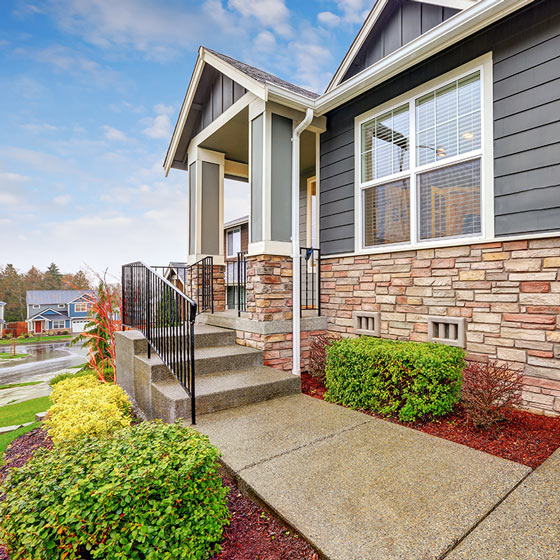
The real estate axiom about location determining value holds particular truth in diverse communities like Dearborn, where proximity to schools, major roadways, commercial districts, and employers creates distinct value zones. Properties backing to major thoroughfares like Michigan Avenue or Ford Road typically sell at discounts compared to homes on quiet residential streets, yet appraisers sometimes fail to adequately account for these location disadvantages.
Site-specific factors extend beyond simple geography to include lot characteristics, view quality, privacy, noise levels, and environmental concerns. A property adjacent to industrial facilities or commercial zones may experience value impacts that generic location adjustments fail to capture. Similarly, homes near parks, highly rated schools, or cultural amenities may command premiums that require specific analysis rather than standard location multipliers.
In southeastern Michigan, environmental factors such as proximity to former industrial sites, flood zones, or areas with known soil contamination can significantly impact both marketability and value. Appraisers who neglect to research these issues or who fail to recognize their market impact will produce valuations that do not reflect the prices informed buyers actually pay. Thorough site analysis requires research beyond the property boundaries to understand the broader context influencing buyer decisions and market values.
When you need reliable, defensible valuations that account for all these critical factors, Dependable Appraising brings over 40 years of experience serving Dearborn, MI and surrounding communities. With deep knowledge of local market conditions, neighborhood characteristics, and valuation complexities, professional appraisal services ensure accuracy whether you’re handling probate matters, divorce settlements, or property transactions. Trust experienced professionals who understand the nuances that make the difference between accurate valuations and costly mistakes.