
How to Get an Accurate Home Appraisal: Your Step-by-Step Guide
Protect Your Property Investment
Prepare Your Property Before the Appraiser Arrives
The first impression your property makes on an appraiser can influence how they perceive its overall condition and maintenance level. While appraisers follow standardized methods, presenting your home in its best light ensures nothing detracts from its true value. Start by addressing visible maintenance issues that might signal neglect. Fix leaky faucets, replace burned-out light bulbs, and repair any broken fixtures. These small details suggest you have maintained the property consistently over time.
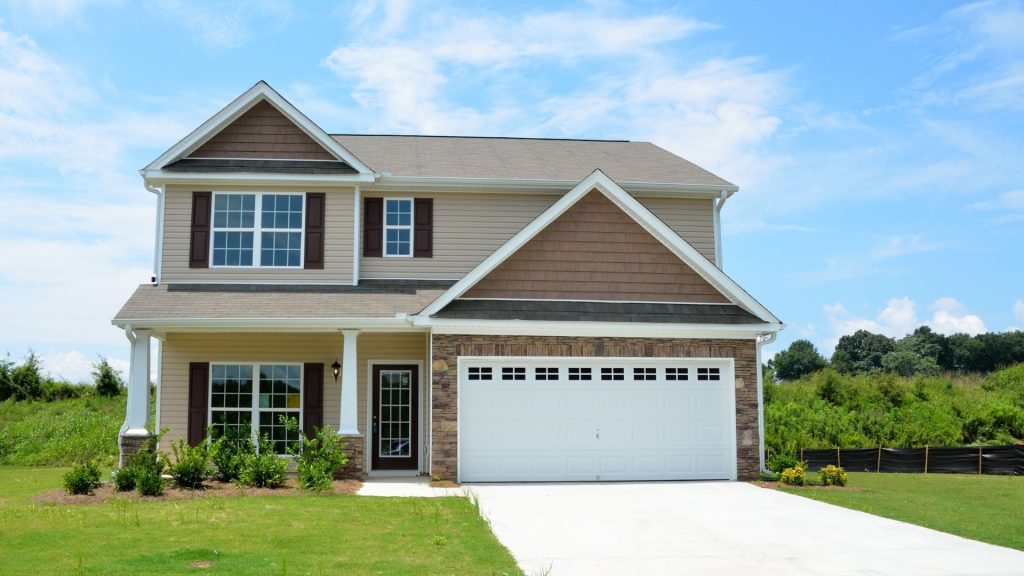
Curb appeal matters more than many homeowners realize. Trim overgrown shrubs, mow the lawn, and clear debris from walkways and driveways. In Dearborn, where many homes sit on mature lots with established landscaping, keeping outdoor spaces neat demonstrates that the property has been cared for properly. Clean windows inside and out, and consider a fresh coat of paint on the front door if it appears worn.
Inside, focus on cleanliness and organization. Clear countertops, tidy closets, and remove personal clutter that might make spaces appear smaller. The appraiser will measure rooms and assess condition, so you want them to see the full potential of each area. If you have made recent upgrades such as new flooring, updated appliances, or a renovated bathroom, make sure these features are clearly visible and accessible. Document these improvements with receipts and permits, which you can provide during the inspection to ensure they are properly considered in the final valuation.
Understand What Happens During the Inspection
Knowing what to expect during the appraisal inspection helps you feel prepared and confident. The appraiser will typically spend between thirty minutes to two hours at your property, depending on its size and complexity. They will start by examining the exterior, noting the condition of the roof, siding, foundation, and any outbuildings or additional structures. They measure the home’s exterior dimensions to verify square footage, which is a critical component of the valuation.
Once inside, the appraiser moves through each room systematically. They count bedrooms and bathrooms, measure room dimensions, and assess the overall layout and functionality. They note the condition of flooring, walls, ceilings, and built-in features. They will look at your heating and cooling systems, plumbing fixtures, and electrical panels to confirm everything is functional and up to code. If you have a basement or attic, expect them to inspect those spaces as well, evaluating whether they are finished, their condition, and any potential issues like moisture or structural concerns.
During this process, the appraiser is comparing your property to recent sales of similar homes in Dearborn and surrounding areas. They consider factors like age, size, amenities, and condition when selecting comparable properties. You are welcome to accompany the appraiser and answer questions, but avoid hovering or over-explaining. Let them conduct their work objectively. If you have specific information about recent improvements or unique features, mention these briefly and provide documentation. For specialized situations like probate appraisal or divorce appraisal, the appraiser may focus on specific details required for legal or financial proceedings.
Provide Documentation of Improvements and Upgrades
Documentation transforms assumptions into verified facts. When you provide clear records of improvements, the appraiser can confidently include those upgrades in their analysis rather than relying on visual inspection alone. Gather receipts, invoices, and contracts for any major work completed in recent years. This includes roof replacements, HVAC system installations, kitchen or bathroom remodels, new windows, updated electrical or plumbing systems, and structural repairs.
Building permits are equally important. In Dearborn, permitted work signals that improvements meet local code requirements and were completed properly. If you added square footage, finished a basement, or converted a space, permitted documentation verifies the work is legitimate and should be included in the valuation. Unpermitted work, conversely, may not add value or could even raise concerns about code compliance.
Create a simple list summarizing your improvements with dates and costs. Include details about materials used, especially if you chose higher-end options like granite countertops, hardwood flooring, or energy-efficient appliances. If you have warranties for new systems or appliances, note those as well since they add appeal and reduce future maintenance concerns for potential buyers. Photographs taken before and after major projects can also help illustrate the scope of work.
Specialized features deserve special mention. If your property includes historical elements, custom built-ins, smart home technology, or unique landscaping, point these out and explain their value. For properties requiring estate appraisers or valuations for specific legal purposes, having thorough documentation streamlines the process and supports a more accurate final figure.
Review the Appraisal Report and Address Discrepancies
Once the appraisal is complete, you will receive a detailed report outlining the appraiser’s findings and the final valuation. Read this document carefully. It should include a description of your property, square footage measurements, information about comparable sales used in the analysis, photographs, and an explanation of how the appraiser arrived at the final value. Pay attention to the comparable properties selected. Are they truly similar to yours in size, age, condition, and location? If the comparables seem inappropriate, this could affect the accuracy of the valuation.
Check for factual errors. Mistakes happen, and even small inaccuracies can impact value. Verify that the square footage is correct, the number of bedrooms and bathrooms is accurate, and any upgrades or features are properly noted. If the appraiser missed a recent renovation or listed your home as having three bedrooms when it actually has four, these errors need correction. Contact the appraiser or the lender who ordered the appraisal to request a review of specific factual mistakes. Provide documentation to support your claim, such as building permits, receipts, or measurements.
If you believe the valuation itself is too low, you can formally dispute the appraisal. This process, known as a reconsideration of value, requires you to present evidence that supports a higher valuation. Additional comparable sales, independent assessments, or documentation of unique features can strengthen your case. Keep in mind that appraisers use objective data and standardized methods, so emotional attachment or your listing price alone will not justify a higher value.
In situations involving legal matters, such as probate proceedings or divorce settlements, accuracy is critical because the valuation directly affects financial outcomes. Working with a qualified appraiser who understands these specialized requirements ensures the report meets legal standards and withstands scrutiny.
Choose a Qualified Appraiser for Reliable Results
The quality of your appraisal depends heavily on the qualifications and experience of the appraiser you select. In Michigan, appraisers must hold a state license or certification, which requires education, testing, and ongoing professional development. Verify that any appraiser you consider is properly licensed and in good standing. You can check credentials through the Michigan Department of Licensing and Regulatory Affairs.
Experience in your local market matters. An appraiser familiar with Dearborn understands neighborhood nuances, property values, and market trends that affect valuations. They know which comparables are most relevant and how local factors like proximity to schools, parks, or major employers influence value. Ask potential appraisers about their experience in your specific area and with properties similar to yours.
Different appraisal needs require different expertise. If you need a valuation for a standard home sale or refinance, most licensed appraisers can handle the work. However, specialized situations demand additional knowledge. Probate appraisals require understanding of estate laws and tax implications. Divorce appraisals must meet court standards and often involve detailed scrutiny. Estate appraisers who work with historical properties, luxury homes, or unique assets bring specialized training to accurately value these properties.
Dependable Appraising serves the Dearborn area with certified appraisal services for a wide range of needs, including residential sales, probate, divorce, estate planning, and more. With decades of experience and a thorough understanding of local market conditions, the team provides reliable valuations you can trust for financial, legal, and personal decisions. When accuracy matters, working with a qualified, local appraiser ensures you receive a defensible valuation that reflects true market value and meets your specific requirements.